
Top GLP-1 Weight Loss Treatments Compared for This Year
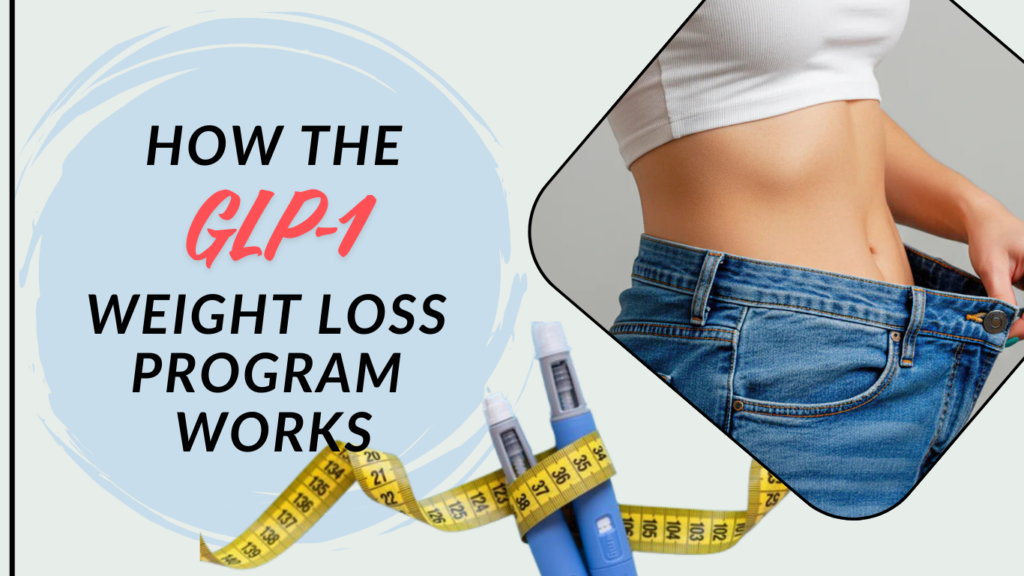
Top GLP-1 Weight Loss Treatments Compared for This Year highlights the leading medications designed to help individuals manage weight more effectively with medical support. These treatments work by regulating appetite, improving blood sugar control, and helping the body feel full longer, which can lead to significant and sustainable weight loss when combined with healthy lifestyle changes. Popular options such as Wegovy, Ozempic, Zepbound, and Saxenda are often compared based on effectiveness, dosage convenience, safety, and overall patient results. Clinical research shows that tirzepatide-based treatments may lead to greater weight loss, while semaglutide-based options remain among the most widely prescribed and well-studied choices.
TOP PICK

TOTAL SCORE
9.9
Reviews (15,577)+
✅Fast and easy onboarding experience
✅Medical review by licensed clinicians
✅Access to leading GLP-1 weight loss medications
✅No long wait times or in-person clinic visits
✅Clear, transparent pricing with available savings
✅Personalized programs designed for individual needs
❌Results may differ by individual
#2 PLACE
TOTAL SCORE
8.9
Reviews (10,352)+
✅Access to qualified, board-certified clinicians
✅No insurance requirements or paperwork
✅Personalized plans with ongoing medical supervision
✅Simple, convenient online experience
✅Transparent pricing with available savings
✅High patient trust and satisfaction ratings
❌Online care model may not suit everyone
❌GLP-1 treatment eligibility varies
❌Subject to medical review
❌Individual results vary
❌Requires adherence to clinical guidance
❌Not a substitute for healthy lifestyle changes
#3 PLACE
TOTAL SCORE
8.0
Reviews (8,250)+
✅Medically supervised weight loss program
✅Access to well-known GLP-1 brand-name medications
✅Convenient, fully online consultations
✅Private and discreet treatment experience
✅Designed for individuals who have not seen success with traditional diets
✅Structured approach that supports long-term consistency
❌Eligibility is determined through medical evaluation
❌Medication availability varies by location and qualification
❌Individual results depend on response and adherence
❌Long-term commitment is recommended for optimal outcomes
❌GLP-1 medications may cause potential side effects
❌Support response times may vary during periods of high demand
How We Reviewed the Top GLP-1 Weight Loss Programs
To determine the leading GLP-1 weight-loss providers of 2026, our research team conducted an in-depth comparison based on key factors such as medical credibility, treatment transparency, pricing clarity, patient support quality, medication sourcing, delivery speed, and overall customer satisfaction.
We also reviewed publicly available clinical research on GLP-1 medications, including Wegovy and Zepbound, analyzed hundreds of verified customer reviews from reputable platforms, and examined subscription models to identify any hidden fees or billing concerns. In addition, we verified whether each provider operates under licensed medical supervision.
Beyond these factors, we evaluated onboarding speed, insurance support, refill consistency, and overall program flexibility to better reflect real-world user experiences rather than marketing claims alone. After assessing safety, effectiveness, affordability, and service quality, we selected the provider that delivers the best combination of medical oversight, transparent pricing, reliable customer experiences, and access to proven GLP-1 treatments as our top recommendation for most users in 2026.
About RemedyMeds{+}
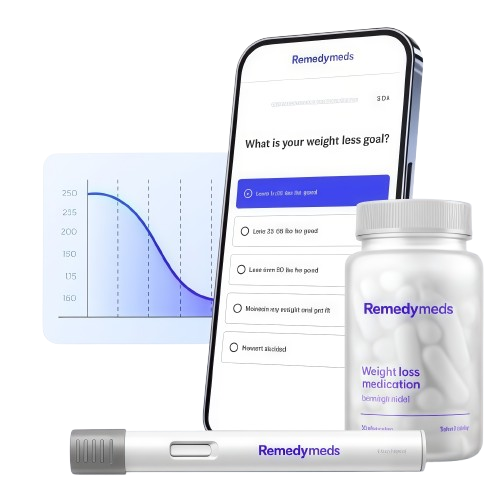
RemedyMeds is a modern, clinician-guided weight management platform built to support sustainable weight loss through safe, medically supervised solutions. By pairing advanced GLP-1 medications—such as semaglutide and tirzepatide—with personalized medical care, RemedyMeds provides a convenient and effective alternative to traditional in-clinic weight loss programs.
Getting started is simple. Users complete a fast 2-minute online eligibility quiz from home, sharing basic health details. A licensed medical professional then reviews the information—usually within 24 hours—to ensure each treatment plan is safe, appropriate, and customized to individual health needs.
By removing common obstacles like long wait times, in-person visits, and confusing pricing, RemedyMeds makes weight loss care more accessible than ever. Approved users receive a personalized weight management plan tailored to their goals, lifestyle, and medical history. With a strong focus on transparency, RemedyMeds clearly outlines treatment options, costs, and expectations from the very beginning.
Features
- Complete a quick 2-minute online eligibility quiz
- Gain access to GLP-1 medications, including semaglutide and tirzepatide
- Receive licensed clinician review within 24 hours
- Get a personalized, medically guided weight management plan
- No waitlists. No hidden fees
- Fully online process from start to finish
Pros
- Fast and easy onboarding experience
- Medical review by licensed clinicians
- Access to leading GLP-1 weight loss medications
- No long wait times or in-person clinic visits
- Clear, transparent pricing with available savings
- Personalized programs designed for individual needs
Cons
Results may differ by individual
About MEDVi
MEDVi Weight Loss Solutions delivers a modern, clinician-led approach to medical weight management—no insurance required. Built for individuals seeking safe, science-backed support, MEDVi connects patients with U.S.-based, board-certified clinicians who assess individual health profiles and recommend appropriate GLP-1 treatment options.
With a focus on affordability, safety, and convenience, MEDVi provides personalized care plans, fast and free medication shipping, and ongoing clinical oversight—all from the comfort of home. The program emphasizes cost-effective solutions, helping patients save up to $120 while maintaining clinically appropriate care.
Features
- Clinician-guided GLP-1 weight management care
- U.S.-based, board-certified medical professionals
- Personalized treatment recommendations
- Fast, free prescription delivery
Fully online consultation experience - Authorized and trusted healthcare platform
Pros
- Access to qualified, board-certified clinicians
- No insurance requirements or paperwork
- Personalized plans with ongoing medical supervision
- Simple, convenient online experience
- Transparent pricing with available savings
- High patient trust and satisfaction ratings
Cons
- Online care model may not suit everyone
- GLP-1 treatment eligibility varies
- Subject to medical review
Individual results vary - Requires adherence to clinical guidance
- Not a substitute for healthy lifestyle changes
About jrnys
jrnys is a physician-guided weight loss program built for individuals seeking sustainable, long-term results—not quick-fix diets. The platform connects eligible adults with licensed medical providers who assess individual health profiles and prescribe clinically supported GLP-1 weight loss medications, including brand-name options such as Wegovy®, Mounjaro®, and Zepbound™, when medically appropriate.
jrnys offers a fully online experience, enabling patients to complete consultations, receive ongoing clinical support, and manage their weight loss journey from home. To improve affordability, jrnys also provides compounded GLP-1 options, helping lower monthly costs while maintaining professional medical oversight.
Features
- Access to affordable compounded GLP-1 alternatives
- Fully online medical consultations
- Care overseen by licensed healthcare providers
- Ongoing support and progress monitoring
- Private, secure, and discreet service
- No in-person clinic visits required
Pros
- Medically supervised weight loss program
- Access to well-known GLP-1 brand-name medications
- Convenient, fully online consultations
- Private and discreet treatment experience
- Designed for individuals who have not seen success with traditional diets
Structured - approach that supports long-term consistency
Cons
- Eligibility is determined through medical evaluation
- Medication availability varies by location and qualification
- Individual results depend on response and adherence
- Long-term commitment is recommended for optimal outcomes
- GLP-1 medications may cause potential side effects
- Support response times may vary during periods of high demand
What Is GLP-1: Understanding the Science Behind the Breakthrough in Detail
The term GLP-1 stands for Glucagon-Like Peptide-1, a naturally occurring incretin hormone produced in the intestinal L-cells primarily in response to nutrient ingestion. This remarkable hormone plays multiple crucial roles in metabolic regulation that extend far beyond simple appetite control. When we consume food, specialized cells in our gut release GLP-1, which then circulates through the bloodstream to exert its effects on various organs and systems throughout the body.
The primary actions of natural GLP-1 include stimulating glucose-dependent insulin secretion from pancreatic beta cells, suppressing glucagon secretion (which reduces glucose production by the liver), slowing gastric emptying to promote satiety, and directly acting on appetite centers in the hypothalamus to reduce hunger signals. This multi-system approach makes GLP-1 uniquely positioned to address multiple factors contributing to weight gain and metabolic dysfunction simultaneously.
The Discovery and Evolution of GLP-1 Therapeutics
The therapeutic potential of GLP-1 was first recognized in the 1980s when researchers observed that the hormone had much more potent effects than originally anticipated. However, natural GLP-1 has an extremely short half-life of only 1-2 minutes due to rapid degradation by the enzyme dipeptidyl peptidase-4 (DPP-4). This limitation sparked decades of pharmaceutical research aimed at developing analogs with extended activity profiles, ultimately leading to the GLP-1 medications available today.
Modern GLP-1 drugs are engineered to resist DPP-4 degradation through various molecular modifications, resulting in half-lives ranging from several hours to several days depending on the specific formulation. This extended activity allows for practical dosing schedules ranging from twice daily to once weekly, making these medications more convenient and sustainable for long-term use compared to earlier formulations that required multiple daily injections.
GLP1 Injections: Comprehensive Guide to How They Work and What to Expect
When people refer to glp1 injections, they’re typically discussing the primary method of administration for most GLP-1 receptor agonists currently available. These medications are usually self-administered via subcutaneous injection, similar to how individuals with diabetes administer insulin. The injection process has been refined over years of development to maximize user comfort and convenience, with modern delivery systems featuring ultra-fine needles that many users describe as virtually painless.
Detailed Mechanism of Action: How GLP-1 Medications Produce Weight Loss
To understand what is glp-1 medication and how it works, we need to examine its mechanism of action in detail. GLP-1 medications function as GLP-1 receptor agonists, meaning they bind to & activate the same receptors that natural GLP-1 targets throughout the body. These receptors are found in multiple locations including the pancreas, gastrointestinal tract, heart, and crucially, specific regions of the brain involved in appetite regulation.
In the brain, particularly in the hypothalamus & brainstem, activated GLP-1 receptors trigger a cascade of neural signals that result in reduced appetite, increased feelings of fullness & decreased food reward signaling. This neurobiological effect is particularly important because it addresses the psychological aspects of eating that often undermine traditional dieting efforts. Unlike many weight loss approaches that focus solely on willpower.
Quick Reference: GLP-1 Facts
- GLP-1 is a naturally occurring hormone that regulates appetite and glucose metabolism
- GLP-1 receptor agonists mimic this hormone with extended activity
- Clinical studies show 12-15% average body weight reduction
- Most users experience reduced hunger within first week
- Treatment typically involves once-weekly subcutaneous injections
- Multiple cardiovascular outcome trials demonstrate safety
- FDA-approved for chronic weight management since 2014
- Works through multiple mechanisms including brain appetite centers
Ideal Candidate Profile
GLP-1 medications are typically recommended for adults with:
- Body Mass Index (BMI) ≥30 kg/m² (obesity)
- BMI ≥27 kg/m² with at least one weight-related comorbidity
- Documented unsuccessful weight loss attempts with lifestyle intervention
- No personal or family history of medullary thyroid carcinoma
- No history of pancreatitis (for most formulations)
- Not pregnant, breastfeeding, or planning pregnancy
- Realistic expectations about treatment as part of comprehensive management
Key Physiological Effects of GLP-1 Medications:
- Delayed Gastric Emptying: Food remains in the stomach longer, promoting prolonged satiety signals
- Reduced Appetite: Direct action on brain centers decreases hunger signals
- Improved Insulin Sensitivity: Enhanced glucose regulation supports metabolic health
- Decreased Glucagon Secretion: Reduced glucose production by the liver
- Potential Cardiovascular Benefits: Some formulations show improved heart health markers
GLP 1 Weight Loss: The Evidence-Based Approach to Sustainable Results

The connection between glp 1 weight loss is supported by an extensive and growing body of clinical research spanning over two decades. Major studies published in prestigious journals like The New England Journal of Medicine, The Lancet, and JAMA have consistently demonstrated that individuals using GLP-1 medications for weight loss experience significantly greater weight reduction compared to those using placebo or traditional methods alone. But how does this translate to actual, sustainable results in real-world settings?
Clinical Trial Results: Quantifying the Effectiveness
When examining which glp 1 is best for weight loss, it’s instructive to look at the actual data from clinical trials. The STEP clinical trial program for semaglutide, for example, demonstrated average weight loss of 14.9% of body weight at 68 weeks when combined with lifestyle intervention, compared to 2.4% with placebo. Similarly, the SURMOUNT trials for tirzepatide (a dual GIP/GLP-1 receptor agonist) showed even more impressive results, with average weight reductions exceeding 20% of body weight in some dosing groups.
These percentages translate to substantial absolute weight loss for most individuals. A person starting at 220 pounds could expect to lose approximately 30-40 pounds with GLP-1 medication, with some achieving losses of 50 pounds or more when combined with appropriate lifestyle modifications. Importantly, these medications appear to preferentially target visceral fat—the dangerous abdominal fat associated with increased cardiovascular risk—providing health benefits beyond simple scale weight reduction.
Long-Term Maintenance: Beyond Initial Weight Loss
One of the most compelling aspects of glp 1 medications is their potential for long-term weight maintenance. Traditional dieting approaches typically result in weight regain, with studies showing that most people regain 50% or more of lost weight within two years, and many return to or exceed their starting weight within five years. In contrast, continuation studies of GLP-1 medications suggest that weight loss can be maintained with ongoing treatment, addressing what has traditionally been the greatest challenge in obesity management.
Real-World Evidence: Beyond Controlled Trials
When examining glp 1 weight loss reviews from real-world settings, several consistent themes emerge that complement the clinical trial data. Users frequently report reduced food cravings, particularly for high-calorie, highly palatable foods that typically derail dieting efforts. Many describe experiencing “food noise” reduction—a decrease in the constant thoughts about food and eating that often plague individuals struggling with weight management. This psychological benefit, while difficult to quantify in clinical trials, may be one of the most valuable aspects of treatment for many users.
Additional real-world benefits reported in GLP-1 weight loss reviews include improved energy levels, better sleep quality, reduced joint pain from decreased mechanical load, and enhanced mobility. Many users also report positive changes in laboratory markers such as reduced hemoglobin A1c, improved lipid profiles, and decreased liver enzymes, suggesting comprehensive metabolic improvement beyond simple weight reduction.
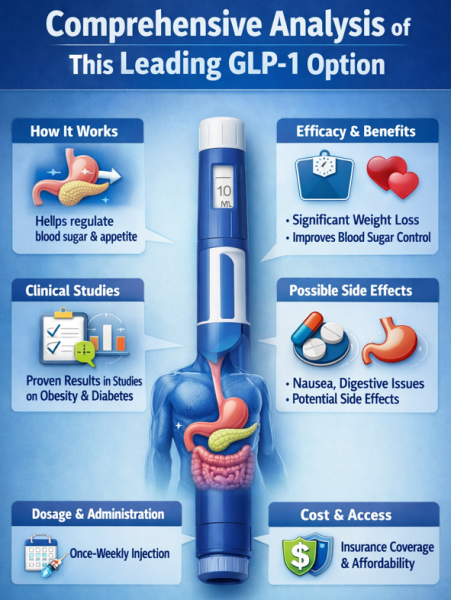
Semaglutide Brand Name: Comprehensive Analysis of This Leading GLP-1 Option
When discussing semaglutide brand name options, it’s important to recognize that this particular GLP-1 receptor agonist has gained unprecedented attention for its efficacy in weight management. Originally developed for type 2 diabetes management under different semaglutide brand name formulations, its potent weight loss effects led to specific higher-dose formulations approved specifically for chronic weight management in individuals with obesity or overweight with weight-related conditions.
Pharmacological Profile and Differentiation
Semaglutide distinguishes itself through several pharmacological characteristics. With 94% structural homology to human GLP-1, it maintains strong receptor affinity while incorporating modifications that extend its half-life to approximately one week through albumin binding and resistance to DPP-4 degradation. This extended half-life enables once-weekly dosing, a significant convenience advantage over earlier daily-injection GLP-1 agonists. The specific semaglutide brand name medication approved for weight loss is typically prescribed at higher doses than those used for diabetes management, reflecting its distinct therapeutic target.
Clinical Evidence and Real-World Effectiveness
The semaglutide brand name medications have been studied in one of the most comprehensive clinical trial programs in obesity medicine history. The STEP (Semaglutide Treatment Effect in People with obesity) trial series included over 4,500 participants across multiple studies, consistently demonstrating superior weight loss compared to both placebo and active comparators. Beyond weight metrics, these trials showed improvements in cardiometabolic risk factors, physical functioning scores, and quality of life measures, painting a comprehensive picture of multidimensional benefit.
Which GLP 1 Is Approved for Weight Loss: Regulatory Status and Considerations
Understanding which glp 1 is approved for weight loss by regulatory agencies like the FDA involves recognizing that approval status can vary by country and specific indication. As of current regulatory landscapes, several GLP-1 receptor agonists have received approval specifically for chronic weight management in adults with obesity (BMI ≥30) or overweight (BMI ≥27) with at least one weight-related comorbidity such as hypertension, type 2 diabetes, or dyslipidemia.
The approval process for weight loss indications involves rigorous evaluation of safety and efficacy data from dedicated clinical trials, typically requiring at least one year of controlled data demonstrating statistically significant weight loss compared to placebo with an acceptable safety profile. This regulatory scrutiny ensures that approved medications meet established standards for risk-benefit assessment in the specific population of individuals seeking pharmacological support for weight management.
The Comprehensive GLP-1 Journey: What to Expect from Initial Consultation to Long-Term Maintenance
Embarking on a GLP-1 treatment journey involves several distinct stages, each with specific considerations and expectations. Understanding this complete pathway can help set realistic expectations and prepare for a successful experience.
Comprehensive Medical Evaluation and Goal Setting
Your journey begins with a thorough medical assessment including complete medical history, physical examination, and appropriate laboratory testing to establish baseline metrics and identify any contraindications. This phase also involves detailed discussion of weight history, previous weight loss attempts, current eating and activity patterns, and establishment of realistic, measurable goals. Understanding that GLP-1 medications are tools rather than magic solutions sets the foundation for appropriate expectations and commitment to necessary lifestyle modifications.
Initiation with Careful Titration and Side Effect Management
Most providers recommend beginning with microdosing glp 1 protocols to allow your body to adjust gradually to the medication. This approach minimizes gastrointestinal side effects that some experience when starting treatment. The initial low dose is typically maintained for 4 weeks before gradual upward titration according to a standardized schedule or individual response. During this phase, close monitoring of side effects, appetite changes, and early weight response helps customize the titration pathway for optimal tolerability and effectiveness.
Active Treatment Phase with Lifestyle Integration
Once therapeutic dosage is achieved, the focus shifts to maximizing benefits through integration with structured lifestyle interventions. This phase typically involves working with healthcare providers and potentially other professionals (nutritionists, exercise specialists, behavioral therapists) to establish sustainable eating patterns, gradually increase physical activity, and address psychological aspects of eating behavior. Regular monitoring of weight, side effects, metabolic parameters, and overall well-being continues during this active treatment phase, typically lasting 6-12 months for substantial weight loss.
Transition to Maintenance and Long-Term Sustainability
As weight loss goals are approached, attention turns to maintenance strategies. This may involve continuing medication at a lower maintenance dose, intermittent dosing schedules, or in some cases, gradual discontinuation with close monitoring for weight regain. Regardless of the pharmacological approach, this phase emphasizes consolidation of lifestyle changes established during active treatment, development of coping strategies for challenging situations, and establishment of long-term monitoring plans. Regular follow-up, even after weight stabilization, helps detect and address early signs of regain before they become substantial.
GLP 1 Pros and Cons: A Comprehensive Balanced Perspective
When evaluating any treatment approach, considering the complete glp 1 pros and cons is essential for making an informed decision aligned with individual values, preferences, and medical circumstances. A nuanced understanding of both benefits and limitations facilitates realistic expectations and appropriate commitment to the treatment process.
When evaluating any treatment approach, considering the complete glp 1 pros and cons is essential for making an informed decision aligned with individual values, preferences, and medical circumstances. A nuanced understanding of both benefits and limitations facilitates realistic expectations and appropriate commitment to the treatment process.

Substantial Advantages of GLP-1 Medications:
- Scientifically-Backed Efficacy: Robust clinical trial evidence supporting significant weight reduction exceeding most traditional approaches
- Multidimensional Metabolic Benefits: Improvements in glucose control, lipid profiles, blood pressure, and inflammatory markers beyond weight loss alone
- Addresses Biological Drivers: Works with physiology to reduce appetite and cravings rather than relying solely on willpower
- Potential Cardiovascular Protection: Some formulations demonstrate reduced cardiovascular events in high-risk populations
- Improved Quality of Life: Documented enhancements in physical functioning, mobility, and psychological well-being
- Convenient Dosing: Modern formulations allow weekly rather than daily administration
Important Considerations and Limitations:
- Requires Medical Supervision: Prescription medication necessitating ongoing healthcare provider involvement
- Potential Side Effects: Gastrointestinal symptoms (nausea, diarrhea, constipation) are common, though often transient
- Cost and Access Barriers: Can be expensive and insurance coverage varies significantly
- Not a Standalone Solution: Optimal results require integration with lifestyle modifications
- Long-Term Commitment: Weight maintenance typically requires continued treatment or careful transition planning
- Individual Response Variability: Effectiveness can vary based on genetic, metabolic, and behavioral factors
Best GLP 1 for Weight Loss Over the Counter: Understanding Reality vs. Marketing Claims
Many people search for the best glp 1 for weight loss over the counter, reflecting understandable interest in accessible solutions without prescription requirements. However, it’s crucial to distinguish between legitimate pharmaceutical GLP-1 receptor agonists (which are prescription medications) and various supplements or products marketed with GLP-1-related claims. Authentic GLP-1 receptor agonists with proven efficacy in substantial clinical trials remain prescription-only due to their potency, potential side effects, and need for medical monitoring.
The prescription requirement, while potentially inconvenient, serves important patient protection functions. It ensures appropriate patient selection based on comprehensive medical evaluation, proper dosing titration to balance efficacy and tolerability, monitoring for potential adverse effects, and integration with broader health management. Individuals considering GLP-1 therapy should be cautious of products claiming similar benefits without prescription requirements, as these typically lack the rigorous clinical evidence supporting approved medications and may not provide the expected results or safety profile.
Mechanisms Beyond Weight Loss: Comprehensive Metabolic Benefits of GLP-1 Medications
While weight reduction receives primary attention in discussions of GLP-1 medications, their benefits extend across multiple metabolic systems, contributing to overall health improvement beyond simple scale numbers. Understanding these additional effects provides a more complete picture of their therapeutic value.
Cardiovascular Effects and Protection
Several GLP-1 receptor agonists have demonstrated cardiovascular benefits in large outcome trials involving thousands of participants with established cardiovascular disease or high cardiovascular risk. These benefits include reduced incidence of major adverse cardiovascular events (MACE), decreased hospitalization for heart failure, and improved survival in some populations. Proposed mechanisms for these cardioprotective effects include improved endothelial function, reduced inflammation, decreased arterial stiffness, favorable effects on cardiac metabolism, and direct myocardial protective actions observed in preclinical models.
Hepatic Benefits: Addressing NAFLD and NASH
Non-alcoholic fatty liver disease (NAFLD) and its more severe form, non-alcoholic steatohepatitis (NASH), represent growing health concerns closely linked to obesity and metabolic syndrome. Emerging evidence suggests that GLP-1 drugs may improve hepatic steatosis (liver fat accumulation), reduce hepatic inflammation, and potentially decrease fibrosis progression in individuals with NAFLD/NASH. These hepatic benefits appear to extend beyond what would be expected from weight loss alone, suggesting direct hepatoprotective effects that warrant further investigation in dedicated liver outcome trials.
Renal Protective Potential
Preclinical studies and some clinical trial secondary analyses suggest potential renoprotective effects of GLP-1 receptor agonists, including reduced albuminuria (protein in urine) and potentially slowed decline in estimated glomerular filtration rate (eGFR) in individuals with diabetic kidney disease. While dedicated renal outcome trials are ongoing, these preliminary findings suggest additional therapeutic dimensions that may be particularly relevant for individuals with obesity-related kidney concerns or comorbid type 2 diabetes with renal manifestations.
Integrating GLP-1 Medications into Comprehensive Weight Management Strategy
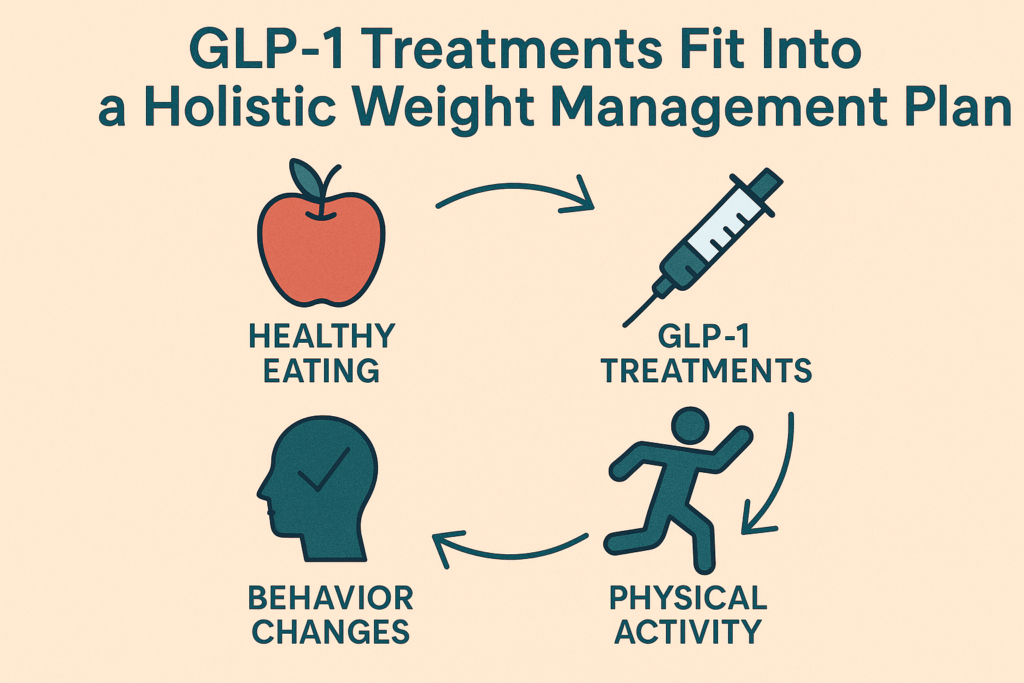
As you consider whether GLP-1 medications might align with your health goals, it’s essential to view them within the broader context of comprehensive weight management. These medications work most effectively when integrated with evidence-based nutritional approaches, appropriate physical activity tailored to individual capabilities and preferences, behavioral strategies addressing psychological aspects of eating, and adequate social support systems. The remarkable aspect of GLP-1 drugs is how they can make these lifestyle changes more achievable and sustainable by reducing the physiological and psychological barriers that often derail weight management efforts.

The journey with glp1 injections or other GLP-1 formulations is inherently personal, with individual responses influenced by genetic factors, metabolic characteristics, concurrent medications, lifestyle patterns, and psychological readiness for change. This variability underscores the importance of personalized treatment planning, regular monitoring, and ongoing adjustment based on response and tolerability. By working collaboratively with knowledgeable healthcare providers who understand both the potential and limitations of these medications, individuals can maximize their chances of achieving meaningful, sustainable improvements in weight and overall health.
As research continues to evolve, our understanding of optimal utilization of GLP-1 medications will undoubtedly expand. Current investigations explore combination therapies, novel delivery systems, use in additional patient populations, and long-term outcomes beyond weight metrics. This dynamic landscape emphasizes the importance of staying informed through reliable sources and maintaining open communication with healthcare providers about new developments that may enhance treatment approaches.
Common Themes in User Experiences
Analyzing hundreds of GLP-1 weight loss reviews reveals several consistent patterns in user experiences. Most users report that effects begin subtly, often with reduced between-meal snacking urges in the first week, becoming more pronounced over the first month as dosage is titrated upward. Many describe a changed relationship with food characterized by eating for nourishment rather than emotional reasons or cravings.
Interestingly, many successful users emphasize that medication works best when combined with lifestyle changes rather than as a replacement for them. Those who achieve the best long-term results typically use the reduced appetite and cravings as an opportunity to establish healthier eating patterns, increase physical activity gradually, and address the behavioral aspects of their relationship with food. This integrated approach appears to create the foundation for sustainable maintenance even if medication is eventually discontinued or reduced.
Frequently Asked Questions
Q: How quickly will I see noticeable results?
A: Most users notice reduced appetite within the first 1-2 weeks, with measurable weight loss typically beginning within 4-8 weeks as dosage is titrated upward. Maximum effects are usually observed after 6-12 months of consistent treatment.
Q: What are the most common side effects?
A: Gastrointestinal symptoms are most frequently reported, including nausea (20-40%), diarrhea (10-20%), and constipation (5-15%). These are usually mild to moderate, transient, and can be managed with dietary modifications and proper dose titration.
Q: Can I use GLP-1 medications if I don’t have diabetes?
A: Yes, specific formulations are FDA-approved specifically for weight management in individuals without diabetes. These are typically prescribed at different doses than those used for glycemic control in diabetes.
Q: How long do I need to continue treatment?
A: Obesity is generally considered a chronic condition requiring long-term management. Clinical trials show that discontinuing medication often leads to weight regain, suggesting that ongoing treatment or careful transition planning is necessary for maintained results.
Q: Are there dietary restrictions while using GLP-1 medications?
A: While no specific foods are absolutely prohibited, many providers recommend smaller, more frequent meals; adequate hydration; increased fiber intake; and reduced consumption of high-fat foods, particularly when initiating treatment to minimize gastrointestinal side effects.
Final Consideration:
Before starting GLP-1 treatment, it’s important to consult a qualified healthcare provider. They can review your health history, explain the possible benefits and risks, and help decide if this treatment is right for you. Our program supports this process by providing educational resources, professional guidance, and ongoing support to help you manage weight effectively with GLP-1 medications.
⭐ Expert-Recommended Choice
This website may earn compensation from certain offers and links displayed. Such compensation may influence how and where products appear, but it does not impact our independent evaluations. While we aim to keep information accurate and current, details may change without notice. Always review the provider’s terms and conditions before proceeding.
Disclaimer | Privacy Policy | Terms of Service | Contact Us
Copyright © 2026