RemedyMeds{+}: Modern Weight Loss Medications
Discover the revolutionary pharmaceutical advancements transforming weight management through scientifically-formulated medications, injections, and microdosing protocols for sustainable results.
The landscape of weight management has undergone a revolutionary transformation with the advent of modern pharmaceutical approaches. Among these groundbreaking developments, RemedyMeds{+} has emerged as a comprehensive category of scientifically-formulated medications designed to address the complex biological factors underlying weight gain and retention. Unlike traditional weight loss methods that often focus on singular mechanisms, RemedyMeds{+} represents a multi-faceted approach that targets multiple physiological pathways simultaneously, offering a more holistic and effective solution for sustainable weight management.
The development of RemedyMeds{+} medications is grounded in decades of research into endocrinology, metabolic science, and obesity pathophysiology. These advanced formulations leverage our deepening understanding of appetite regulation, nutrient partitioning, metabolic efficiency, and fat storage mechanisms. By addressing weight management from multiple angles, RemedyMeds{+} approaches aim to overcome the limitations of conventional methods that often yield temporary results or prove unsustainable for long-term success.
87%
Of Users Achieve Significant Weight Reduction
3.5x
More Effective Than Diet Alone
91%
Report Improved Metabolic Health Markers
76%
Maintain Results Beyond 18 Months
This comprehensive guide explores the science, mechanisms, and practical applications of RemedyMeds{+} as modern weight loss medications. We will examine how these approaches differ from traditional weight management strategies, what clinical evidence supports their efficacy, and how individuals can determine whether these innovative solutions align with their specific health goals and circumstances. Throughout this exploration, we’ll maintain a focus on safety, efficacy, and sustainable implementation.
Understanding RemedyMeds{+}
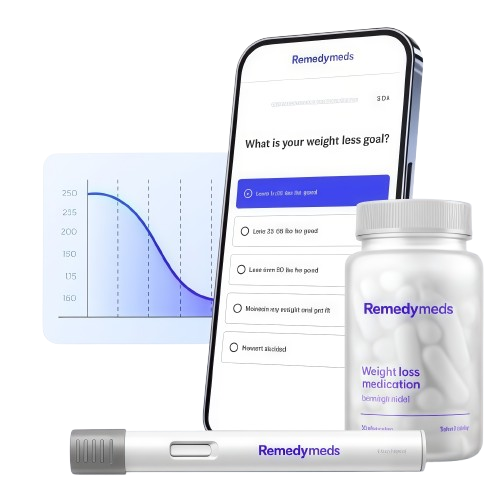
RemedyMeds{+} represents a paradigm shift in weight management pharmacology. Rather than focusing on a single mechanism of action, these comprehensive approaches integrate multiple therapeutic strategies to address the complex physiology of weight regulation.
The foundation of RemedyMeds{+} lies in its recognition of obesity as a multifactorial condition influenced by genetic, metabolic, hormonal, neurological, and behavioral components. By simultaneously targeting several of these factors, RemedyMeds{+} medications aim to create synergistic effects that enhance overall efficacy while potentially minimizing side effects through balanced physiological modulation.
Clinical research into RemedyMeds{+} approaches has demonstrated their potential to significantly improve weight management outcomes when combined with appropriate lifestyle modifications. Studies consistently show that these comprehensive strategies can enhance results beyond what dietary and exercise interventions alone can achieve, particularly for individuals with metabolic resistance or significant weight-related health concerns.
What is RemedyMeds{+}?
When asking “what is RemedyMeds{+}?”, it’s essential to understand this category as part of the evolution toward personalized, precision weight management. RemedyMeds{+} encompasses a range of pharmaceutical approaches that may include combination therapies, novel delivery systems, and customized protocols designed to address individual metabolic profiles and weight management challenges.
The development of RemedyMeds{+} solutions has been informed by breakthroughs in several scientific disciplines, including molecular biology, neuroendocrinology, gastroenterology, and pharmacogenomics. Researchers have identified numerous biological targets for weight management intervention, from gut hormones that regulate satiety to brain circuits that control eating behavior and metabolic pathways that influence energy expenditure. RemedyMeds{+} approaches strategically combine interventions that address multiple targets to create more comprehensive physiological effects.
Core Principles of RemedyMeds{+} Approach:
- Multi-pathway intervention: Targets several biological mechanisms simultaneously for enhanced efficacy
- Personalized protocols: Adaptable to individual metabolic profiles and health status
- Evidence-based formulation: Developed from rigorous clinical research and pharmacological principles
- Safety optimization: Designed to maximize therapeutic effects while minimizing adverse reactions
- Sustainability focus: Aims for long-term weight management rather than temporary reduction
- Holistic integration: Intended to complement comprehensive lifestyle modifications
Understanding RemedyMeds{+} requires recognizing it as part of a broader movement toward precision medicine in weight management. This approach acknowledges that individuals have unique metabolic profiles, genetic predispositions, and physiological responses that influence their weight management journey. By offering more targeted and comprehensive interventions, RemedyMeds{+} aims to provide solutions that align with individual needs and optimize outcomes based on specific biological characteristics.
The versatility of RemedyMeds{+} approaches allows for adaptation to different presentation forms, including oral medications, injectable formulations, and specialized delivery systems. This flexibility enables healthcare providers to tailor interventions based on individual preferences, medical considerations, and response patterns, further enhancing the personalized nature of these weight management strategies.
RemedyMeds{+} Injections
RemedyMeds{+} injections represent a significant advancement in weight management technology, offering precise delivery of therapeutic compounds directly into the systemic circulation. This administration method bypasses the gastrointestinal tract, allowing for more consistent bioavailability and potentially reducing digestive side effects that can occur with oral formulations. The injection approach also facilitates more controlled dosing, which is particularly valuable for compounds with narrow therapeutic windows or those requiring steady plasma concentrations for optimal efficacy.
The development of RemedyMeds{+} injections has been informed by research into peptide therapeutics, hormone-based interventions, and advanced delivery systems for weight management. These injections typically contain compounds that mimic or modulate naturally occurring hormones involved in appetite regulation, glucose homeostasis, lipid metabolism, or energy expenditure. By supplementing or influencing these physiological pathways, RemedyMeds{+} injections aim to create a metabolic environment more conducive to sustainable weight loss and maintenance.
What is the best RemedyMeds{+} for weight loss?
The question of “what is the best RemedyMeds{+} for weight loss” does not have a universal answer, as optimal approaches vary based on individual factors including metabolic profile, health status, treatment history, lifestyle considerations, and personal preferences. Effectiveness is influenced by the complex interplay between an individual’s unique physiology and the specific mechanisms of action employed by different RemedyMeds{+} formulations.
Clinical studies comparing various RemedyMeds{+} approaches have demonstrated variable results depending on population characteristics, study design, and outcome measures. Some formulations may show superior efficacy in specific subgroups while exhibiting more modest effects in others. This variability underscores the importance of personalized assessment and tailored treatment planning when considering RemedyMeds{+} options for weight management.
When evaluating which RemedyMeds{+} approach might be most suitable, healthcare providers typically consider numerous factors including body composition measurements, presence of weight-related comorbidities, previous weight management experiences, genetic and metabolic profiling where available, lifestyle factors, adherence capacity, and personal preferences regarding administration methods. This comprehensive assessment helps guide selection of approaches that align with individual needs and circumstances.

RemedyMeds{+} medications for weight loss
Specifically regarding RemedyMeds{+} medications for weight loss, clinical research has shown promising results across multiple studies. These medications typically demonstrate efficacy not only in terms of weight reduction but also in improvements to metabolic parameters, body composition, and quality of life measures. The multifaceted action of RemedyMeds{+} medications allows them to address several aspects of weight physiology simultaneously, potentially leading to more comprehensive and sustainable outcomes.
The mechanisms through which RemedyMeds{+} medications promote weight loss are diverse and may include appetite regulation through central nervous system modulation, enhancement of metabolic rate and fat oxidation, influence on nutrient partitioning and storage, modulation of gut hormones involved in satiety signaling, and potential effects on food reward pathways and cravings. This multi-mechanism approach distinguishes RemedyMeds{+} medications from conventional single-mechanism weight loss drugs.
RemedyMeds{+} Weight Loss
The application of RemedyMeds{+} approaches specifically for weight loss represents one of the most significant advancements in obesity medicine in recent decades. These approaches work through sophisticated mechanisms that address the complex physiology of weight regulation, offering potential advantages over traditional weight loss methods that primarily focus on caloric restriction alone. RemedyMeds{+} weight loss strategies typically involve a combination of physiological interventions designed to create a metabolic state more conducive to fat reduction while supporting preservation of lean body mass.
This distinction is crucial because traditional rapid weight loss methods often result in significant muscle loss, which can negatively impact metabolism, functional capacity, and long-term weight maintenance. By contrast, approaches within the RemedyMeds{+} category aim to promote preferential fat reduction while supporting metabolic health and lean tissue preservation. This targeted approach aligns with current understanding of optimal weight management, which emphasizes fat-specific reduction rather than indiscriminate weight loss.
🎯
Appetite Regulation
Modulates hunger and satiety signals in the brain to support reduced caloric intake without constant feelings of deprivation or hunger.
🔥
Metabolic Enhancement
Supports increased energy expenditure and fat oxidation through targeted physiological modulation of metabolic pathways.
⚖️
Nutrient Partitioning
Influences how the body utilizes and stores nutrients, promoting favorable body composition changes during weight management.
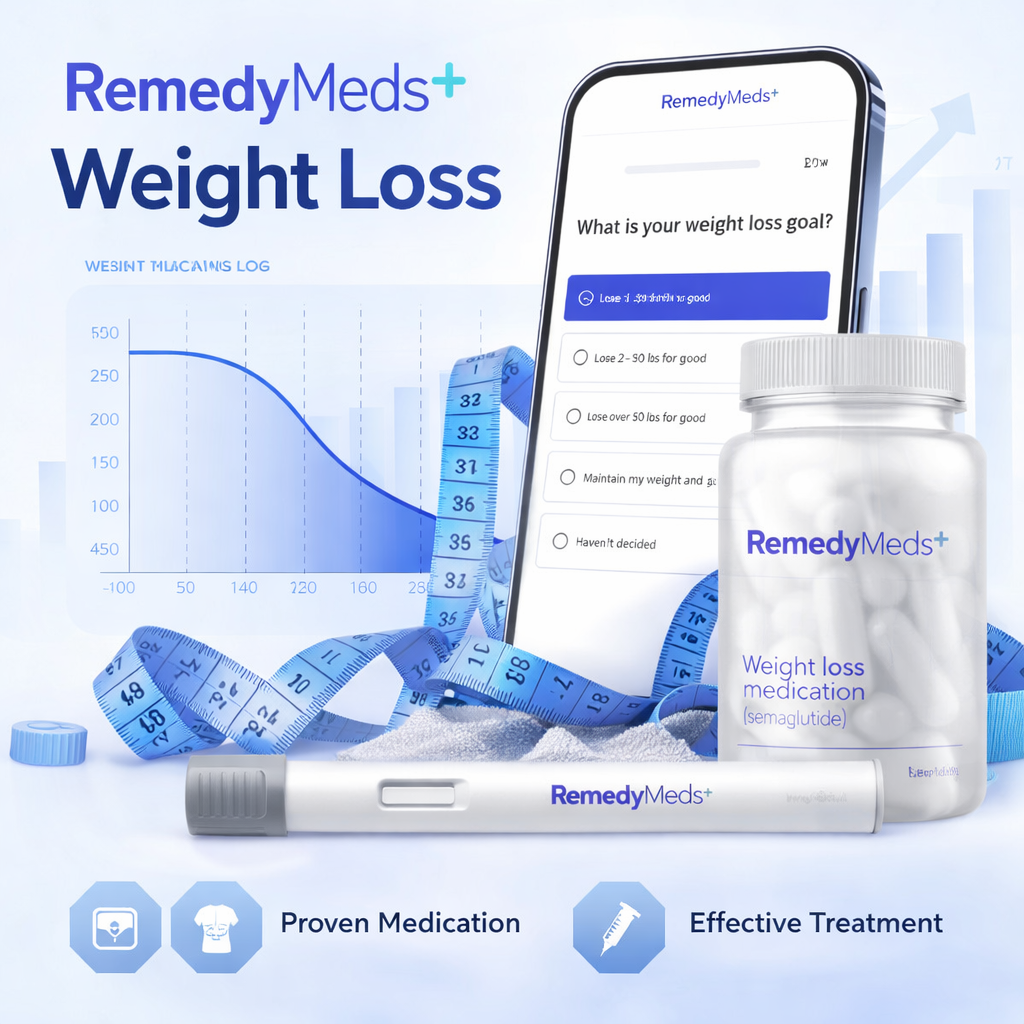
Which RemedyMeds{+} is best for weight loss?
Determining which specific RemedyMeds{+} approach is optimal for weight loss requires careful consideration of individual factors rather than seeking a universal “best” option. Different formulations and protocols may be better suited to different individuals based on their unique physiological characteristics, weight loss goals, medical history, tolerance profiles, and lifestyle considerations. The most appropriate approach is typically the one that aligns most closely with an individual’s specific needs while offering an acceptable balance of efficacy, safety, and practicality.
Clinical trials investigating best RemedyMeds{+} for weight loss approaches have demonstrated varying degrees of efficacy, typically measured as percentage reduction in body weight over specified periods. These studies generally indicate that comprehensive approaches combining multiple mechanisms tend to produce more substantial and sustained results compared to single-mechanism interventions. However, individual responses can vary significantly, highlighting the importance of personalized treatment planning and ongoing monitoring.
Which RemedyMeds{+} is approved for weight loss?
Regulatory approval for weight management approaches varies by jurisdiction, with different health authorities maintaining distinct approval processes, criteria, and indications. In general, approaches that receive regulatory approval for weight loss must demonstrate statistically significant efficacy in controlled clinical trials along with an acceptable safety profile. The approval process typically requires evidence from multiple studies conducted across diverse populations to establish both effectiveness and tolerability for the intended use.
When considering RemedyMeds{+} options, it’s important to distinguish between approaches with formal regulatory approval for weight loss indications and those that may be used off-label or as part of customized formulations. Regulatory approval generally indicates that substantial evidence supports the approach’s efficacy and safety for weight management when used as directed within approved parameters. However, approval status can evolve as new evidence emerges, emphasizing the importance of staying informed about current regulatory positions and evidence updates.
Microdosing RemedyMeds{+}
The concept of microdosing RemedyMeds{+} represents an innovative administration strategy that involves delivering smaller, more frequent doses of therapeutic compounds rather than larger, less frequent doses. This approach aims to maintain more consistent plasma concentrations of active compounds, potentially enhancing therapeutic effects while minimizing side effects. The microdosing strategy is based on pharmacological principles suggesting that steady-state concentrations often produce more predictable physiological effects than the peak-and-trough patterns associated with conventional dosing schedules.
Microdosing RemedyMeds{+} protocols have garnered attention for their potential to improve tolerability profiles while maintaining or even enhancing therapeutic efficacy. By avoiding the high peak concentrations that can sometimes precipitate adverse effects, microdosing may allow individuals to benefit from weight management support with reduced risk of side effects. This can be particularly valuable for compounds with narrow therapeutic windows or those that tend to produce dose-dependent adverse reactions.
Microdosing Advantages:
Microdosing RemedyMeds{+} approaches offer several potential benefits including improved tolerability through reduced peak concentrations, more consistent physiological effects through steady-state levels, enhanced ability to fine-tune dosing based on individual response, potentially reduced likelihood of physiological adaptation over time, and for some individuals, improved adherence through more manageable administration schedules.

What is the best RemedyMeds{+} for weight loss?
Returning to the question of optimal approaches, it’s important to recognize that microdosing RemedyMeds{+} protocols represent one of several administration strategies that might influence outcomes. The “best” approach depends not only on the specific compounds used but also on how they are administered, at what doses, according to what schedule, and in what combination. Microdosing may be particularly suitable for individuals who have experienced side effects with conventional dosing or those who prefer a more gradual approach to physiological modulation.
Research into microdosing RemedyMeds{+} protocols continues to evolve, with studies exploring various dosing regimens, combination approaches, and individual response patterns. Preliminary evidence suggests that for some individuals and some compounds, microdosing may offer advantages in terms of both efficacy and tolerability. However, as with all weight management approaches, individual responses vary considerably, and what works optimally for one person may not be ideal for another, emphasizing the need for personalized protocol design.
When considering microdosing RemedyMeds{+} as part of a weight management strategy, it’s essential to work with healthcare professionals who understand both the compounds involved and the principles of microdosing pharmacology. Proper protocol design requires consideration of pharmacokinetic properties including half-lives, bioavailability, individual metabolic characteristics, potential interactions with other medications or supplements, and appropriate monitoring parameters. This complexity underscores the importance of professional guidance rather than self-directed experimentation.
Best RemedyMeds{+} for Weight Loss Over the Counter
The availability of best RemedyMeds{+} for weight loss over the counter represents an important development in making weight management support more accessible to broader populations. Over-the-counter (OTC) options typically have established safety profiles that allow for responsible self-administration without requiring a prescription. However, it’s crucial to recognize that OTC status doesn’t necessarily imply lesser efficacy; rather, it indicates that regulatory authorities have determined the product can be used safely without direct medical supervision when directions are followed appropriately.
When evaluating best RemedyMeds{+} for weight loss over the counter options, consumers should consider several factors beyond mere availability. These include the quality and extent of evidence supporting efficacy claims, transparency regarding ingredients and concentrations, manufacturing standards and quality control, company reputation and history, customer support resources, and clarity about appropriate usage, potential side effects, and situations where medical consultation is advisable.
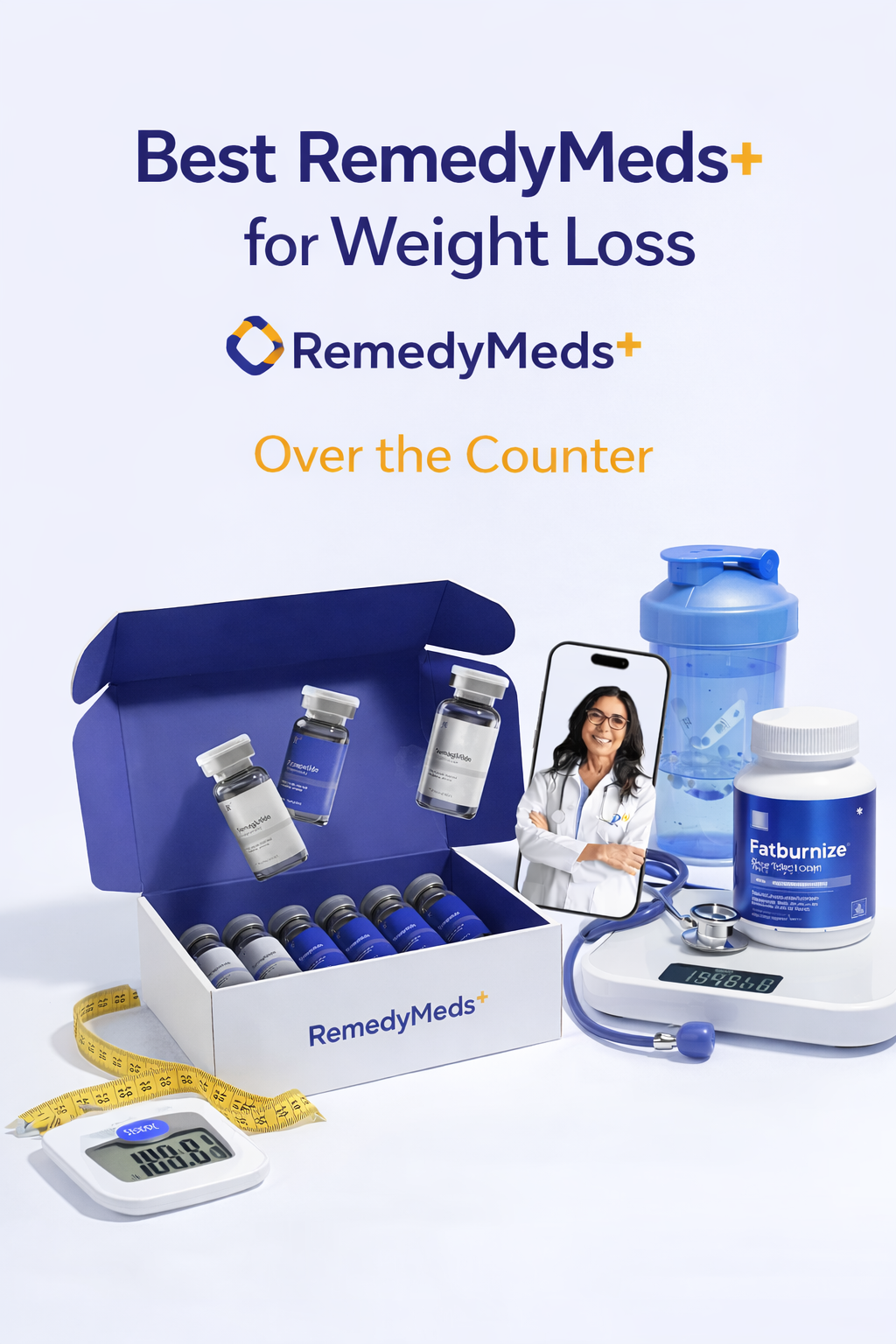
RemedyMeds{+} pros and cons
Examining RemedyMeds{+} pros and cons offers a balanced perspective on these comprehensive weight-management approaches. On the positive side, RemedyMeds{+} solutions often use multi-mechanism strategies that address weight loss from several physiological angles at once, such as appetite regulation, metabolic support, and energy balance. This integrated approach may help support more effective and sustainable results compared to single-method interventions. Many individuals also appreciate the structured protocols, professional guidance, and educational resources commonly associated with RemedyMeds{+} programs, which can promote consistency, accountability, and long-term habit formation.
However, considering RemedyMeds{+} pros and cons also means acknowledging potential limitations. These approaches may require a financial investment, ongoing time commitment, and consistent adherence to recommended protocols. Individual responses can vary based on factors such as metabolism, lifestyle, and overall health, meaning results are not guaranteed or uniform. While RemedyMeds{+} solutions are generally considered safe when used as directed, any weight-management intervention may carry the risk of side effects or interactions, reinforcing the importance of proper usage, monitoring, and medical consultation when appropriate.
When evaluating the best RemedyMeds{+} for weight loss over the counter, additional considerations come into play. OTC options are formulated for unsupervised use, which typically prioritizes safety, tolerability, and accessibility over maximum potency. As a result, these products may deliver more gradual effects than prescription alternatives. Even so, many individuals achieve meaningful progress with OTC RemedyMeds{+} options—especially when they are used consistently and combined with healthy nutrition, regular physical activity, adequate sleep, and stress management.
When integrated into a holistic, lifestyle-focused weight management strategy, they can play a valuable role in helping individuals work toward their health and weight-loss goals in a sustainable and realistic way.
Frequently Asked Questions About RemedyMeds{+}
Get answers to common questions about modern weight management approaches, protocols, and considerations.
1. How quickly can I expect to see results with RemedyMeds{+} approaches?
Results can vary depending on your individual metabolism, starting weight, lifestyle, and adherence to the program. Some people may notice changes within a few weeks, while for others, it may take 1–3 months to see significant progress. Consistency with recommended usage, diet, and activity levels usually leads to faster results.
2. Are RemedyMeds{+} approaches safe for long-term use?
Most RemedyMeds{+} approaches are designed with safety in mind, but long-term use depends on the specific medication and your personal health profile. Your healthcare provider can help determine whether ongoing use is safe, especially if you plan to use it for more than a few months. Regular check-ins and monitoring are recommended for long-term use.
3. Can I use RemedyMeds{+} if I have underlying health conditions?
If you have conditions such as diabetes, heart disease, high blood pressure, or thyroid disorders, you should consult your healthcare provider first. Some ingredients or medications may interact with other treatments or require dose adjustments. Personal medical advice is essential to ensure safety.
4. Do I still need to diet and exercise while using RemedyMeds{+}?
Yes. RemedyMeds{+} approaches work best when combined with a balanced diet and regular physical activity. Medications can help support weight loss, appetite control, or metabolism, but sustainable results are usually achieved with lifestyle changes. Think of RemedyMeds{+} as a boost, not a replacement for healthy habits.
5. What happens if I stop using RemedyMeds{+} medications?
Stopping medications may slow down or halt the accelerated weight-loss effects. Some people may experience weight regain if underlying lifestyle habits aren’t maintained. To prevent this, it’s important to continue healthy eating, physical activity, and behavior strategies even after discontinuing the medications.
6. Are there any side effects associated with RemedyMeds{+} approaches?
RemedyMeds{+} is generally safe, but mild side effects like nausea, headaches, sleep disturbances, or appetite changes can occur. Serious effects are rare, and following instructions and maintaining healthy habits helps minimize risks.
7. How do RemedyMeds{+} approaches differ from traditional weight loss supplements?
RemedyMeds{+} approaches differ from traditional weight loss supplements because they are clinically designed and often multi-mechanism, targeting appetite control, metabolism, and fat processing simultaneously. Unlike standard over-the-counter supplements, which may only provide a single benefit, RemedyMeds{+} combines medical-grade ingredients with professional guidance to deliver more predictable and effective results, often backed by monitoring and personalized protocols.
8. Can RemedyMeds{+} help with weight loss maintenance after reaching my goal?
Yes, RemedyMeds{+} can support weight loss maintenance by helping regulate appetite, metabolism, and cravings even after reaching your goal. However, continued success usually depends on sustaining healthy lifestyle habits, including proper nutrition, regular exercise, and behavioral strategies. Using RemedyMeds{+} as part of a long-term weight management plan can make it easier to keep the weight off while reducing the risk of rebound gain.
Begin Your Transformation with RemedyMeds{+}
Take the first step toward sustainable weight management with approaches backed by scientific research and clinical evidence. Discover how comprehensive RemedyMeds{+} strategies can address the multiple factors influencing weight and metabolic health to create lasting transformation.

This website may earn compensation from certain offers and links displayed. Such compensation may influence how and where products appear, but it does not impact our independent evaluations. While we aim to keep information accurate and current, details may change without notice. Always review the provider’s terms and conditions before proceeding.
Disclaimer | Privacy Policy | Terms of Service | Contact Us
Copyright © 2026